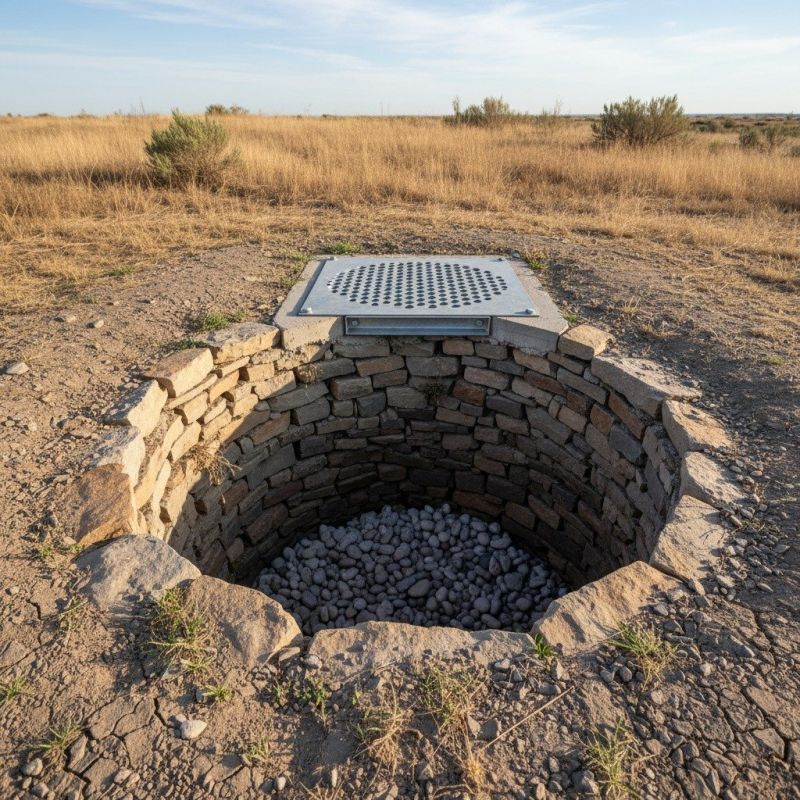
Dry Well Installation in Birmingham, AL
Dry well installation services provide an effective solution for managing excess water on residential properties. A dry well is an underground structure designed to collect and disperse stormwater runoff, helping to prevent pooling and water damage around the home. These systems are commonly used in projects such as redirecting water from roof downspouts, managing yard drainage, or supporting new landscaping efforts. Property owners typically want to understand how a dry well works, where it can be installed on their property, and what factors influence its effectiveness, including soil type and water volume.
Before requesting dry well installation, homeowners should consider the property’s drainage needs and any existing landscape features. It’s important to evaluate the location for optimal water dispersal, ensure proper depth and size of the dry well, and understand how it integrates with existing drainage systems. Property owners often seek guidance on the best placement to avoid issues like erosion or water pooling, as well as any local regulations that might affect installation. Contacting a professional can help determine the most suitable solution for effective water management on the property.
Many property owners in Birmingham, AL look into Dry Well Installation for repairs, replacements, upgrades, and appearance-related improvements.
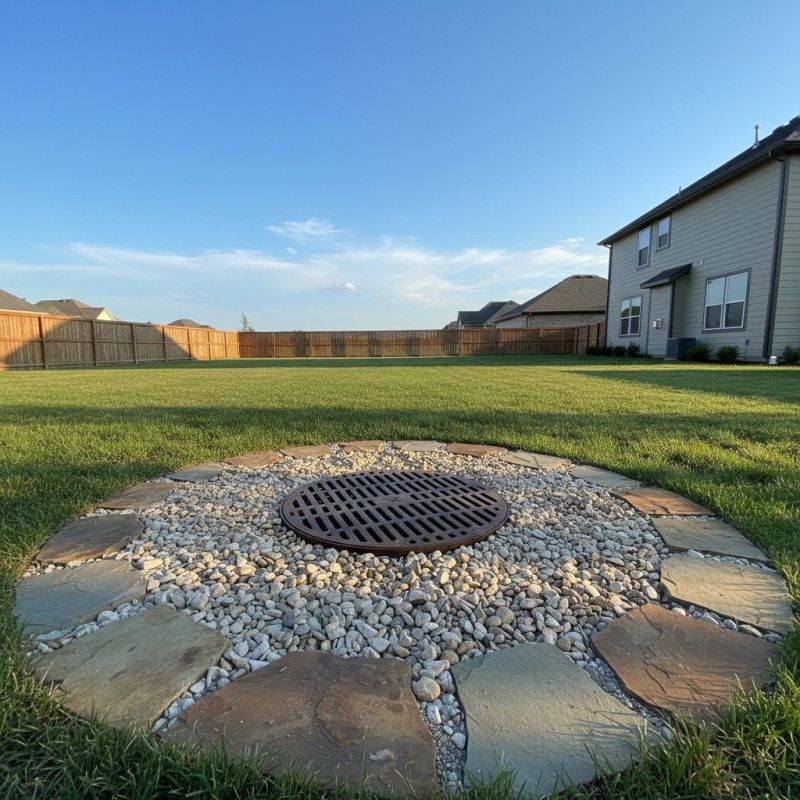
Benefits Of Dry Wells
Dry wells help manage excess water and prevent property flooding during heavy rains.
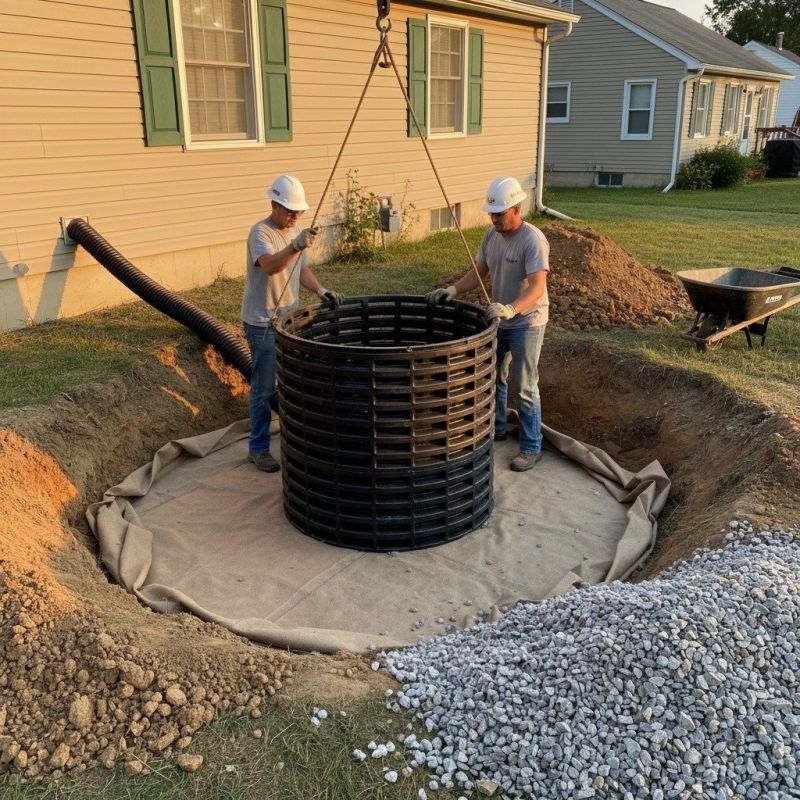
Common Applications
They are often used for drainage of roof runoff, yard water, and foundation protection in birmingham and nearby areas.
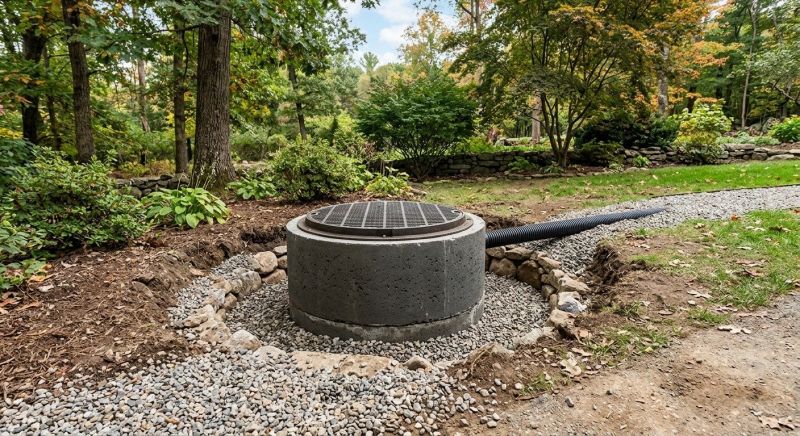
Installation Considerations
Proper placement and sizing are essential to ensure effective water drainage for residential and commercial properties.
Dry Well Installation in Birmingham, AL
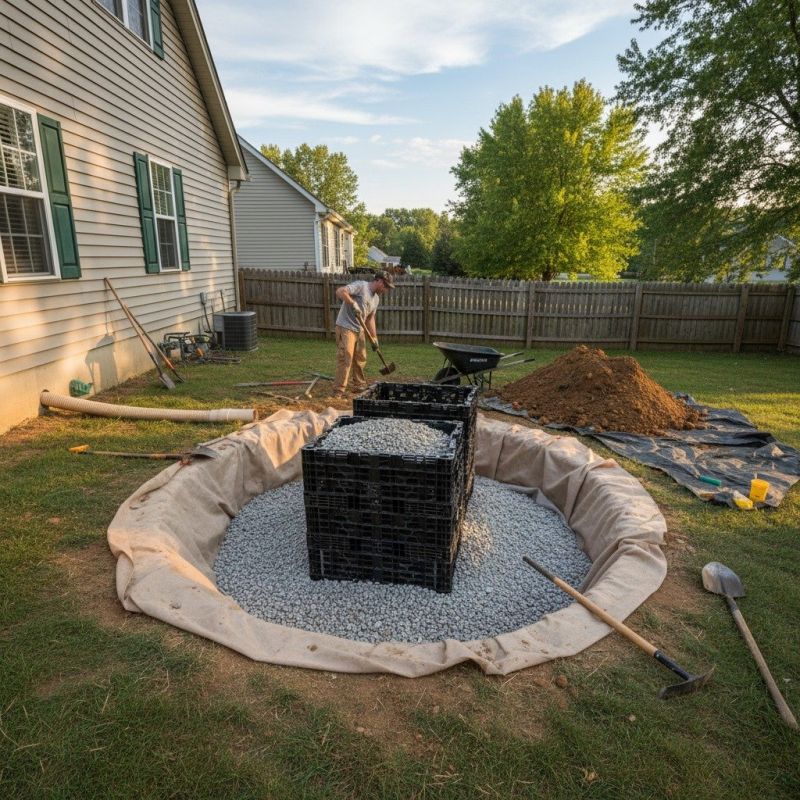
Dry well installation services provide an effective solution for managing excess water on residential properties. A dry well is an underground structure designed to collect and disperse stormwater runoff, helping to prevent pooling and water damage around the home. These systems are commonly used in projects such as redirecting water from roof downspouts, managing yard drainage, or supporting new landscaping efforts. Property owners typically want to understand how a dry well works, where it can be installed on their property, and what factors influence its effectiveness, including soil type and water volume.
Before requesting dry well installation, homeowners should consider the property’s drainage needs and any existing landscape features. It’s important to evaluate the location for optimal water dispersal, ensure proper depth and size of the dry well, and understand how it integrates with existing drainage systems. Property owners often seek guidance on the best placement to avoid issues like erosion or water pooling, as well as any local regulations that might affect installation. Contacting a professional can help determine the most suitable solution for effective water management on the property.
Many property owners in Birmingham, AL look into Dry Well Installation for repairs, replacements, upgrades, and appearance-related improvements.
Common Dry Well Installation Jobs
Dry Well Installation - helps manage excess water runoff on residential properties.
Drainage Solutions - prevents water pooling and reduces soil erosion around buildings.
Stormwater Management - directs rainwater away from foundations to protect structural integrity.
Yard Drainage - improves landscape health by efficiently removing excess moisture.
Property Drainage Systems - supports proper water flow for gardens, lawns, and driveways.
Water Disposal - safely channels water away from basements and crawl spaces.
Dry Well Installation Questions
What is a dry well? A dry well is an underground structure that helps manage excess water by directing it away from foundations and preventing pooling on the surface.
When is a dry well needed? A dry well is useful when there is frequent or heavy runoff from roofs, driveways, or landscaped areas that needs proper drainage.
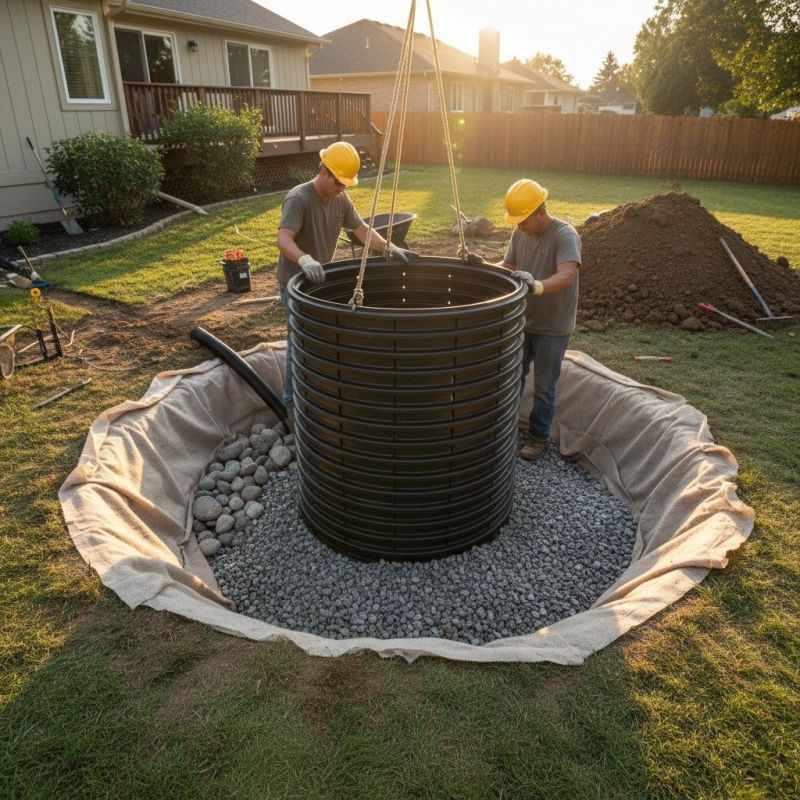
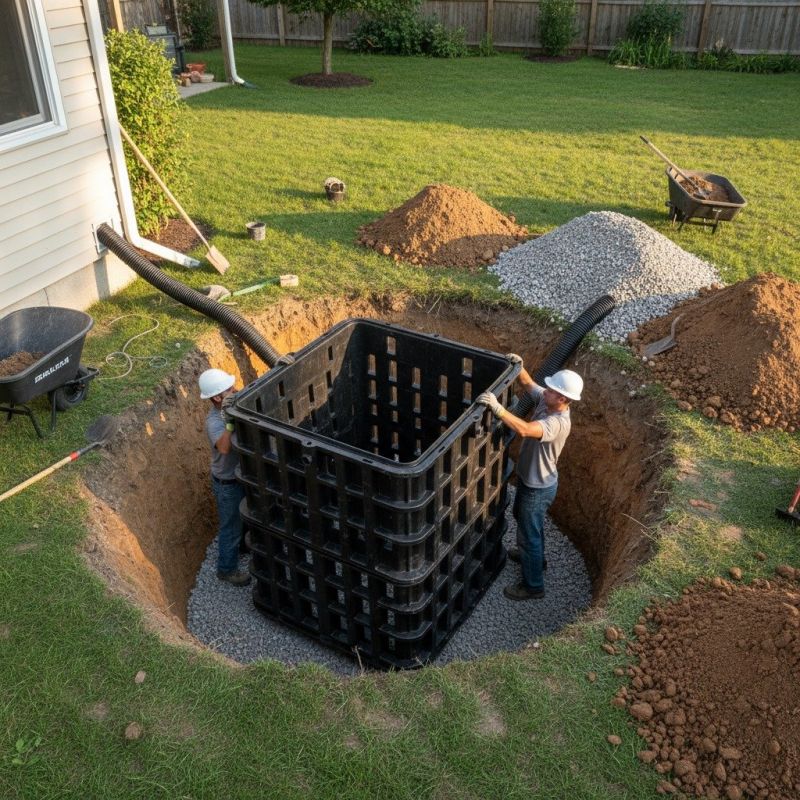
How is a dry well installed? Installation involves excavating a hole, placing the dry well container, and connecting it to drainage sources to allow water to disperse safely underground.
What types of dry wells are available? Different options include plastic or concrete chambers, gravel-filled pits, and specialized systems designed for specific property drainage needs.
Request Dry Well Installation in Birmingham, AL
Use the quote form on this page to share the basics of your project and request more information for the type of work you need.